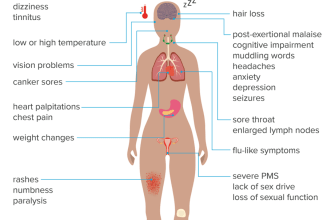
Ketoacidosis is a serious medical condition that occurs when the body produces high levels of ketones, a type of acid, due to a lack of insulin. It is most commonly associated with diabetes, particularly type 1 diabetes, but can also occur in individuals with type 2 diabetes or those who do not have diabetes at all. In this article, we will explore the symptoms, causes, treatment, prevention, risk factors, complications, and diagnosis of ketoacidosis.
Symptoms of Ketoacidosis
The symptoms of ketoacidosis can develop rapidly and may include:
- Excessive thirst
- Frequent urination
- Abdominal pain
- Nausea and vomiting
- Weakness and fatigue
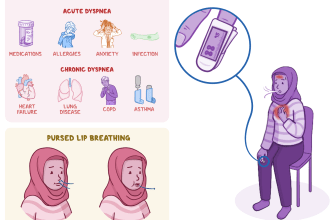
- Shortness of breath
- Confusion or difficulty concentrating
- Fruity-smelling breath
If left untreated, ketoacidosis can lead to a life-threatening condition called diabetic coma. Therefore, it is crucial to recognize the symptoms and seek medical attention immediately.
Causes of Ketoacidosis
Ketoacidosis occurs when there is a lack of insulin in the body. Insulin is responsible for regulating blood sugar levels and allowing cells to use glucose for energy. Without enough insulin, the body starts breaking down fat for energy, resulting in the production of ketones. The main causes of ketoacidosis include:
- Missed or insufficient insulin doses
- Infection or illness
- Physical or emotional stress
- Drug or alcohol abuse
It is important for individuals with diabetes to carefully monitor their blood sugar levels and take their prescribed insulin doses to prevent the development of ketoacidosis.
Treatment for Ketoacidosis
Ketoacidosis is a medical emergency that requires immediate treatment. The primary goal of treatment is to restore insulin levels and correct the imbalance of electrolytes in the body. Treatment may involve:
- Intravenous fluids to rehydrate the body
- Insulin therapy to lower blood sugar levels
- Electrolyte replacement to restore balance
- Treatment of any underlying infection or illness
Once the immediate crisis is resolved, it is essential to address the underlying cause of ketoacidosis and make any necessary adjustments to the diabetes management plan.
Ketoacidosis Prevention
Preventing ketoacidosis involves careful management of diabetes and regular monitoring of blood sugar levels. Here are some tips to help prevent ketoacidosis:
- Take insulin as prescribed and never skip doses
- Monitor blood sugar levels regularly
- Seek medical attention for any signs of infection or illness
- Manage stress levels and practice stress-reducing techniques
- Avoid excessive alcohol consumption
By following these preventive measures, individuals with diabetes can significantly reduce their risk of developing ketoacidosis.
Ketoacidosis Risk Factors
While anyone with diabetes can develop ketoacidosis, certain factors may increase the risk. These include:
- Having type 1 diabetes
- Previous episodes of ketoacidosis
- Poorly controlled blood sugar levels
- Skipping insulin doses
- Having an infection or illness
It is important for individuals with these risk factors to be extra vigilant in managing their diabetes to prevent the onset of ketoacidosis.
Ketoacidosis Complications
If left untreated, ketoacidosis can lead to severe complications, including:
- Diabetic coma
- Brain swelling
- Organ failure
- Death
Therefore, it is crucial to seek immediate medical attention if symptoms of ketoacidosis are present to prevent these potentially life-threatening complications.
Ketoacidosis Diagnosis
Diagnosing ketoacidosis involves a combination of medical history, physical examination, and laboratory tests. The healthcare provider may:
- Ask about symptoms and medical history
- Perform a physical examination
- Order blood and urine tests to measure ketone levels and assess electrolyte imbalances
Based on the results, a diagnosis of ketoacidosis can be confirmed, and appropriate treatment can be initiated.
In conclusion, ketoacidosis is a serious condition that requires immediate medical attention. Recognizing the symptoms, understanding the causes, and taking preventive measures can help individuals with diabetes avoid the development of ketoacidosis. If ketoacidosis does occur, prompt treatment is essential to prevent complications and ensure a successful recovery. By staying informed and proactive, individuals can effectively manage their diabetes and reduce the risk of ketoacidosis.