Electrolyte imbalances are a common medical condition that occurs when there is an abnormality in the levels of electrolytes in the body. Electrolytes are minerals that are essential for various bodily functions, including nerve and muscle function, maintaining fluid balance, and regulating pH levels. When these electrolytes are not balanced properly, it can lead to a range of symptoms and complications. In this article, we will explore the causes, symptoms, treatment options, and prevention strategies for electrolyte imbalances.
Causes of Electrolyte Imbalances
Electrolyte imbalances can be caused by a variety of factors, including:
- Dehydration: When the body loses more fluids than it takes in, it can disrupt the balance of electrolytes.
- Medications: Certain medications, such as diuretics or laxatives, can affect electrolyte levels.
- Kidney disease: The kidneys play a crucial role in maintaining electrolyte balance. Any dysfunction in the kidneys can lead to imbalances.
- Hormonal imbalances: Hormonal disorders, such as adrenal insufficiency or thyroid disorders, can impact electrolyte levels.
- Chronic illnesses: Conditions like diabetes or heart disease can contribute to electrolyte imbalances.
Symptoms of Electrolyte Imbalances
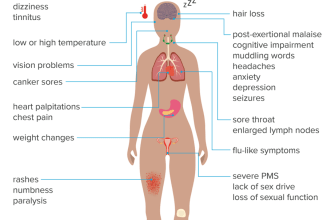
The symptoms of electrolyte imbalances can vary depending on which electrolyte is affected and the severity of the imbalance. Some common symptoms include:
- Weakness or fatigue
- Muscle cramps or spasms
- Irritability or confusion
- Nausea or vomiting
- Irregular heartbeat
- Seizures
If left untreated, electrolyte imbalances can lead to more severe complications, such as cardiac arrhythmias, kidney dysfunction, or even coma.
Treatment for Electrolyte Imbalances
The treatment for electrolyte imbalances depends on the specific electrolyte affected and the underlying cause. In some cases, simple dietary changes or increased fluid intake may be sufficient to restore balance. However, more severe imbalances may require medical intervention, such as:
- Oral electrolyte supplements: These can be taken in the form of tablets or powders to replenish electrolyte levels.
- Intravenous (IV) fluids: In cases of severe imbalances or dehydration, fluids containing the necessary electrolytes can be administered directly into the bloodstream.
- Medications: Certain medications may be prescribed to address the underlying cause of the imbalance, such as hormone replacement therapy or diuretics.
It is important to note that treatment should always be guided by a healthcare professional, as self-diagnosis and self-medication can be dangerous.
Electrolyte Imbalance Management
Managing electrolyte imbalances involves not only treating the immediate symptoms but also addressing the underlying cause and preventing future imbalances. Some strategies for managing electrolyte imbalances include:
- Regular monitoring: Individuals at risk of electrolyte imbalances, such as those with chronic illnesses or taking certain medications, should have their electrolyte levels regularly monitored by a healthcare professional.
- Dietary modifications: Consuming a balanced diet that includes foods rich in electrolytes, such as fruits, vegetables, and dairy products, can help maintain proper levels.
- Hydration: Staying adequately hydrated is crucial for maintaining electrolyte balance. Drinking enough fluids, especially during periods of increased physical activity or in hot weather, is essential.
- Medication management: If medications are contributing to electrolyte imbalances, working closely with a healthcare provider to manage dosages or explore alternative options can be beneficial.
Electrolyte Imbalance Prevention
Preventing electrolyte imbalances is often more manageable than treating them. Some preventive measures include:
- Staying hydrated: Ensuring adequate fluid intake throughout the day can help maintain electrolyte balance.
- Eating a balanced diet: Consuming a variety of nutrient-rich foods can provide the body with the necessary electrolytes.
- Limiting alcohol and caffeine: Both alcohol and caffeine can contribute to dehydration and electrolyte imbalances, so it is important to consume them in moderation.
- Following medication instructions: Taking medications as prescribed and discussing any concerns or potential side effects with a healthcare provider can help prevent imbalances.
Electrolyte Imbalance Diagnosis
Diagnosing an electrolyte imbalance typically involves a combination of medical history review, physical examination, and laboratory tests. Blood tests are commonly used to measure electrolyte levels and identify any imbalances. Additional tests, such as urine tests or imaging studies, may be ordered to determine the underlying cause of the imbalance.
Electrolyte Imbalance Effects
Electrolyte imbalances can have significant effects on the body and overall health. They can disrupt normal bodily functions, leading to symptoms such as muscle weakness, irregular heartbeat, and neurological disturbances. If left untreated, electrolyte imbalances can result in severe complications, including organ damage or even death. Therefore, it is crucial to seek medical attention if any symptoms or concerns arise.
In conclusion, electrolyte imbalances can occur due to various factors and can lead to a range of symptoms and complications. Prompt diagnosis and appropriate treatment are essential for managing imbalances and preventing further health issues. By staying hydrated, maintaining a balanced diet, and working closely with healthcare professionals, individuals can effectively manage and prevent electrolyte imbalances, ensuring optimal health and well-being.