Endocarditis is a serious condition that refers to the inflammation of the inner lining of the heart, known as the endocardium. It is typically caused by a bacterial infection, although it can also be caused by fungi or other microorganisms. This condition can lead to severe complications if left untreated, making it crucial to recognize the symptoms and seek appropriate treatment. In this article, we will explore the symptoms and treatment options for endocarditis, as well as its causes, prevention, diagnosis, complications, and risk factors.
Endocarditis Symptoms
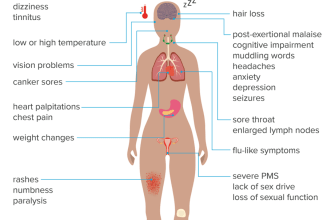
The symptoms of endocarditis can vary depending on the individual and the severity of the infection. Some common symptoms include:
- Fever and chills
- Fatigue and weakness
- Shortness of breath
- Chest pain
- Swelling in the legs, feet, or abdomen
- Unexplained weight loss
- Night sweats
- Joint and muscle pain
- Small, painless spots on the skin or under the nails
If you experience any of these symptoms, especially if you have a pre-existing heart condition or have recently undergone a dental or medical procedure, it is important to seek medical attention promptly.
Endocarditis Treatment
The treatment for endocarditis typically involves a combination of antibiotics and, in some cases, surgery. The specific antibiotics used will depend on the type of bacteria causing the infection and may need to be administered intravenously for an extended period of time. It is crucial to complete the full course of antibiotics as prescribed by your healthcare provider, even if you start feeling better before the treatment is finished.
In severe cases or when complications arise, surgery may be necessary to repair or replace damaged heart valves or remove infected tissue. Surgery may also be required if the infection spreads to other parts of the body, such as the brain or lungs.
Endocarditis Causes
Endocarditis is most commonly caused by bacteria entering the bloodstream and attaching to damaged areas of the heart, such as heart valves. The bacteria can enter the bloodstream through various means, including dental procedures, invasive medical procedures, or even everyday activities such as brushing teeth or chewing food.
Individuals with pre-existing heart conditions, such as congenital heart defects or artificial heart valves, are at a higher risk of developing endocarditis. Other risk factors include intravenous drug use, a history of endocarditis, and certain medical conditions that weaken the immune system.
Endocarditis Prevention
Preventing endocarditis involves taking precautions to minimize the risk of bacterial infections. Some preventive measures include:
- Maintaining good oral hygiene by brushing and flossing regularly
- Informing your dentist and healthcare providers about your heart condition before any dental or medical procedures
- Taking antibiotics as prescribed by your healthcare provider before certain dental or medical procedures
- Avoiding intravenous drug use
It is important to consult with your healthcare provider to determine the appropriate preventive measures based on your individual circumstances.
Endocarditis Diagnosis
Diagnosing endocarditis can be challenging, as the symptoms can be nonspecific and vary from person to person. Your healthcare provider will likely perform a thorough physical examination and order several tests to confirm the diagnosis. These tests may include:
- Blood tests to check for signs of infection
- Echocardiogram to visualize the heart valves and assess their function
- Electrocardiogram to evaluate the electrical activity of the heart
- Cardiac MRI or CT scan to obtain detailed images of the heart
In some cases, a biopsy of the heart tissue may be necessary to identify the specific bacteria causing the infection.
Endocarditis Complications
If left untreated, endocarditis can lead to serious complications, including:
- Heart failure
- Valve damage or dysfunction
- Stroke
- Abscesses or pockets of infection in the heart or other organs
- Septicemia (bloodstream infection)
These complications can be life-threatening, underscoring the importance of early diagnosis and treatment.
Endocarditis Risk Factors
Several factors can increase the risk of developing endocarditis, including:
- Pre-existing heart conditions
- Artificial heart valves
- A history of endocarditis
- Intravenous drug use
- Compromised immune system
It is important to be aware of these risk factors and take appropriate preventive measures to reduce the likelihood of developing endocarditis.
In conclusion, endocarditis is a serious heart infection that requires prompt medical attention. Recognizing the symptoms, seeking timely treatment, and taking preventive measures can help minimize the risk of complications and improve outcomes. If you experience any symptoms or have concerns about endocarditis, it is crucial to consult with your healthcare provider for a proper diagnosis and appropriate treatment.