Nail dystrophy, also known as nail disorder, is a condition that affects the appearance and health of the nails. It can manifest in various ways, including brittle nails, nail abnormalities, and other nail problems. Understanding the causes and treatment options for nail dystrophy is essential for maintaining optimal nail health. In this article, we will explore the different nail conditions, their symptoms, and effective ways to treat them.
Brittle Nails
One common manifestation of nail dystrophy is brittle nails. Brittle nails are characterized by nails that easily break, split, or peel. This condition can be caused by several factors, including:
- Excessive exposure to water and chemicals
- Prolonged use of nail polish and nail polish remover
- Underlying health conditions, such as hypothyroidism or anemia
- Poor nutrition and vitamin deficiencies
To treat brittle nails and improve their health, consider the following tips:
- Avoid excessive exposure to water and chemicals by wearing gloves when doing household chores or working with harsh substances.
- Limit the use of nail polish and nail polish remover, as they can dehydrate the nails.
- Ensure a balanced diet rich in vitamins and minerals, particularly biotin, vitamin E, and iron.
- Moisturize your nails and cuticles regularly with a nourishing oil or cream.
Nail Abnormalities
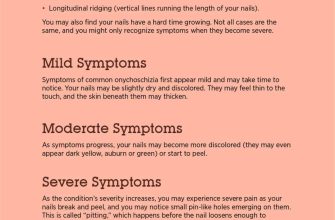
Nail abnormalities encompass a wide range of conditions that affect the appearance and structure of the nails. Some common nail abnormalities include ridges, pitting, and discoloration. These abnormalities can be caused by:
- Psoriasis or other skin conditions
- Fungal infections
- Systemic diseases, such as lupus or diabetes
- Trauma or injury to the nail
Treating nail abnormalities depends on the underlying cause. In some cases, addressing the root cause, such as treating a fungal infection or managing a systemic disease, can improve the appearance of the nails. However, for cosmetic purposes, you can:
- Use a ridge filler or buffing block to smooth out ridges.
- Apply a nail strengthener or hardener to strengthen the nails.
- Use nail polish to cover up discoloration or pitting.
Nail Diseases
Nail diseases are more severe conditions that can cause significant damage to the nails. Some common nail diseases include onychomycosis (fungal infection), paronychia (infection around the nail), and onycholysis (separation of the nail from the nail bed). These diseases can be caused by:
- Fungal or bacterial infections
- Autoimmune disorders
- Excessive trauma or injury to the nails
- Chemotherapy or certain medications
Treating nail diseases often requires medical intervention. If you suspect you have a nail disease, it is important to consult a healthcare professional for an accurate diagnosis and appropriate treatment. Treatment options may include:
- Antifungal or antibiotic medications
- Topical creams or ointments
- Oral medications
- Surgical intervention in severe cases
Nail Care and Prevention
Regardless of the specific nail condition, practicing good nail care and prevention techniques is crucial for maintaining healthy nails. Here are some general tips:
- Keep your nails clean and dry to prevent fungal or bacterial infections.
- Trim your nails regularly, keeping them at a moderate length to avoid trauma or injury.
- Avoid biting or picking at your nails, as this can cause damage and increase the risk of infection.
- Wear breathable shoes and socks to prevent moisture buildup.
- Use caution when getting manicures or pedicures, ensuring that the tools and salon are clean and hygienic.
In conclusion, nail dystrophy encompasses various nail conditions, including brittle nails, nail abnormalities, and nail diseases. Understanding the causes and treatment options for these conditions is essential for maintaining optimal nail health. By following proper nail care practices and seeking appropriate treatment when necessary, you can promote healthy nails and prevent further damage. Remember, if you suspect a severe nail condition or disease, consult a healthcare professional for proper diagnosis and treatment.