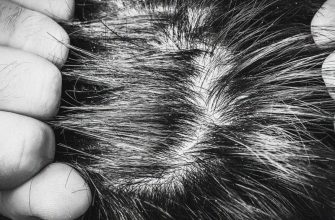
Excessive hair growth, also known as hirsutism, is a condition that affects many women worldwide. It can be a source of embarrassment and self-consciousness, leading to a desire to find effective treatments. Unwanted facial hair and excessive body hair can be caused by a variety of factors, including hormonal imbalances and genetic predisposition. In this article, we will explore the causes of excessive hair growth in females and discuss various treatments and management options.
Causes of Excessive Hair Growth
Hormonal Imbalance and Hair Growth:
One of the primary causes of excessive hair growth in women is hormonal imbalance. Androgens, commonly referred to as male hormones, are present in both men and women. However, when there is an overproduction of androgens in women, it can lead to hirsutism. Conditions such as polycystic ovary syndrome (PCOS) and adrenal gland disorders can contribute to hormonal imbalances and subsequent excessive hair growth.
Genetic Predisposition:
Genetics also play a significant role in determining the amount and distribution of body hair. If your family has a history of hirsutism, you may be more prone to experiencing excessive hair growth. This genetic predisposition can make it more challenging to manage and treat the condition effectively.
Treatments for Excessive Hair Growth
Medical Treatments:
Oral Contraceptives:
For women with hormonal imbalances, oral contraceptives can be an effective treatment option. These medications help regulate hormone levels, reducing the production of androgens and subsequently minimizing excessive hair growth. It is essential to consult with a healthcare professional to determine the most suitable contraceptive option for your specific needs.
Anti-Androgen Medications:
In cases where hormonal imbalances are severe, anti-androgen medications may be prescribed. These medications work by blocking the effects of androgens, reducing hair growth over time. However, it is crucial to note that these medications may have side effects, and regular monitoring by a healthcare professional is necessary.
Topical Creams and Lotions:
There are various topical creams and lotions available that can help slow down hair growth and make it less noticeable. These products often contain ingredients that inhibit hair follicle activity, such as eflornithine. Regular and consistent use is necessary to achieve desired results.
Managing Excessive Hair Growth:
Shaving:
Shaving is a quick and convenient method to remove unwanted hair temporarily. While it does not address the root cause of excessive hair growth, it can provide immediate relief and smooth skin. It is important to use a sharp razor and shaving cream to minimize irritation and achieve the best results.
Waxing:
Waxing involves applying hot or cold wax to the skin and removing it along with the hair. This method provides longer-lasting results compared to shaving, as it removes hair from the root. However, it can be painful and may cause skin irritation for some individuals.
Laser Hair Removal:
Laser hair removal is a popular long-term solution for excessive hair growth. It works by targeting the hair follicles with laser energy, damaging them and inhibiting future hair growth. Multiple sessions are usually required for optimal results, and it is essential to seek treatment from a qualified professional.
Natural Remedies for Excessive Hair Growth
Turmeric:
Turmeric is a natural ingredient known for its anti-inflammatory properties. It can help reduce hair growth and inhibit the activity of hair follicles. Creating a paste with turmeric and applying it to the affected areas regularly may help manage excessive hair growth.
Spearmint Tea:
Spearmint tea has been found to have anti-androgenic effects, meaning it can reduce the production of androgens in the body. Drinking spearmint tea regularly may help regulate hormone levels and minimize excessive hair growth.
Sugar and Lemon Scrub:
A homemade scrub made with sugar and lemon can act as a natural exfoliant and hair remover. Gently massaging the scrub onto the skin can help remove unwanted hair and leave the skin feeling smooth.
- Regularly exfoliate the skin to remove dead skin cells and promote smoother skin.
- Avoid plucking or tweezing excessive hair, as it can lead to skin irritation and ingrown hairs.
- Consider professional electrolysis treatments for permanent hair removal.
- Consult with a dermatologist or endocrinologist to address underlying hormonal imbalances.
It is important to note that natural remedies may not provide the same level of effectiveness as medical treatments. However, they can be used as complementary approaches to manage excessive hair growth.
In conclusion, excessive hair growth in females can be caused by hormonal imbalances and genetic predisposition. While it can be a source of distress, there are various treatments and management options available. Medical treatments such as oral contraceptives and anti-androgen medications can help regulate hormone levels and reduce hair growth. Additionally, managing excessive hair growth through methods like shaving, waxing, and laser hair removal can provide temporary or long-term relief. Natural remedies can also be used as complementary approaches to minimize excessive hair growth. It is essential to consult with healthcare professionals to determine the most suitable treatment plan for individual needs. With the right approach, excessive hair growth can be effectively managed, allowing women to feel more confident and comfortable in their own skin.